The Geo-History of Constitution Hill and Dallas, St. Andrew, Jamaica
Author
admin
Date
July 31, 2025
Share
Filter By Category
Eat More Calories Than You Burn:
[hurrytimer id=”5264″]
Written By: Eyanie Bennett
Constitution Hill and Dallas are two ‘rural’ communities located in the upper reaches of St. Andrew Parish, nestled along the foothills of Jamaica’s Blue Mountains.
Though often viewed through the lens of post-emancipation settlement and rural community life, these areas are also deeply shaped by the island’s complex geological past, which underlies their cultural history and physical geography.
Join our Excursions: Hike & Geo-Explore. Click Here
Geologic History (overview): Constitution Hill & Dallas
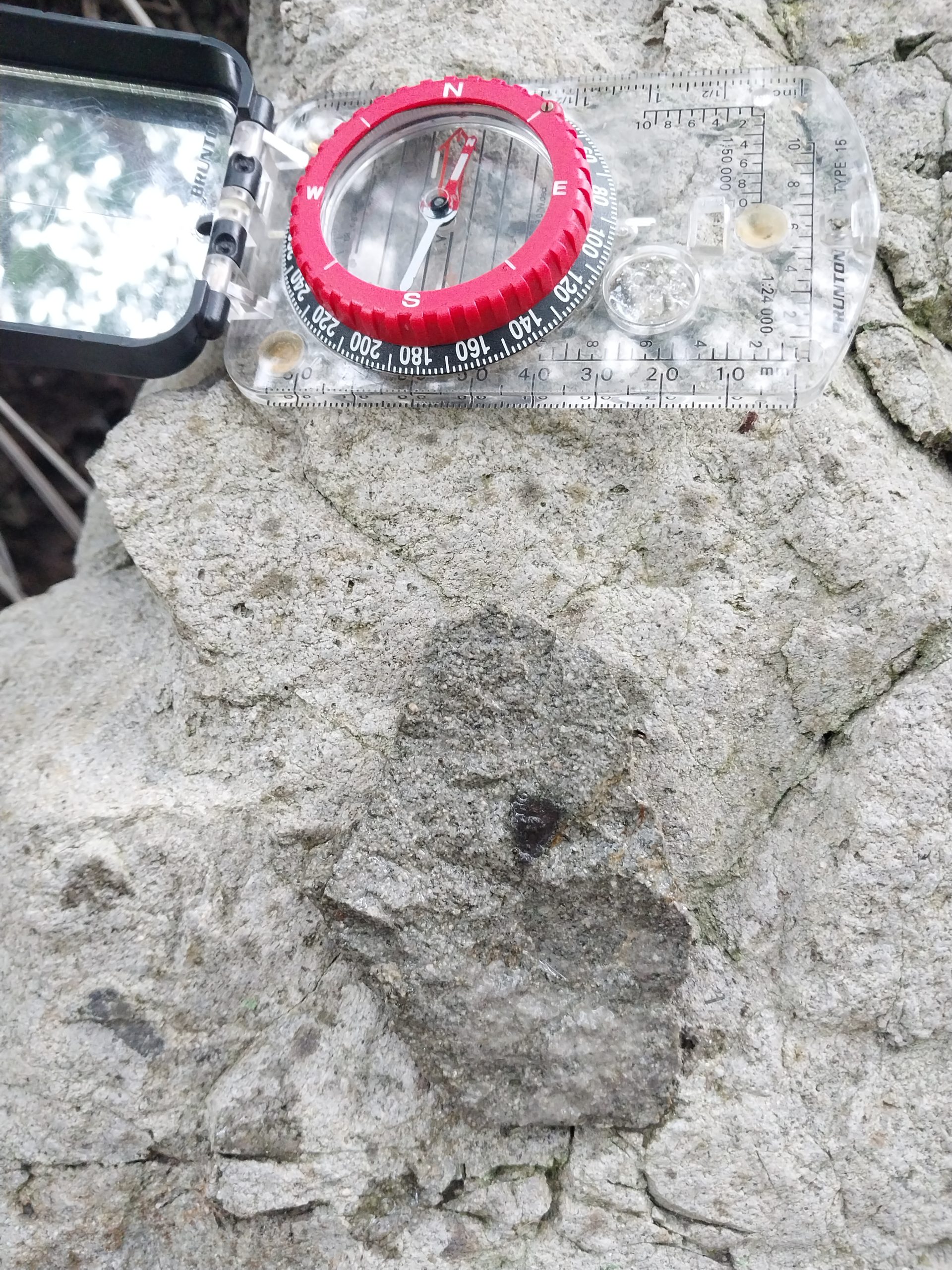
Geologically, Constitution Hill and Dallas sit at the southern margins of the Blue Mountain Inlier (Abbott, 2008) , one of Jamaica’s most ancient and geologically significant formations. The rocks exposed in this region date back to the Cretaceous period (143.1 to 66 Ma) , more than 100 million years ago. These are primarily volcanic rocks- remnants of a submerged island-arc system that formed as the Caribbean Plate collided with the North American Plate. Over millions of years, tectonic uplifts along active fault zones such as the Plantain Garden fault pushed these rocks to the surface, creating the steep ridges and valleys that define the area today.
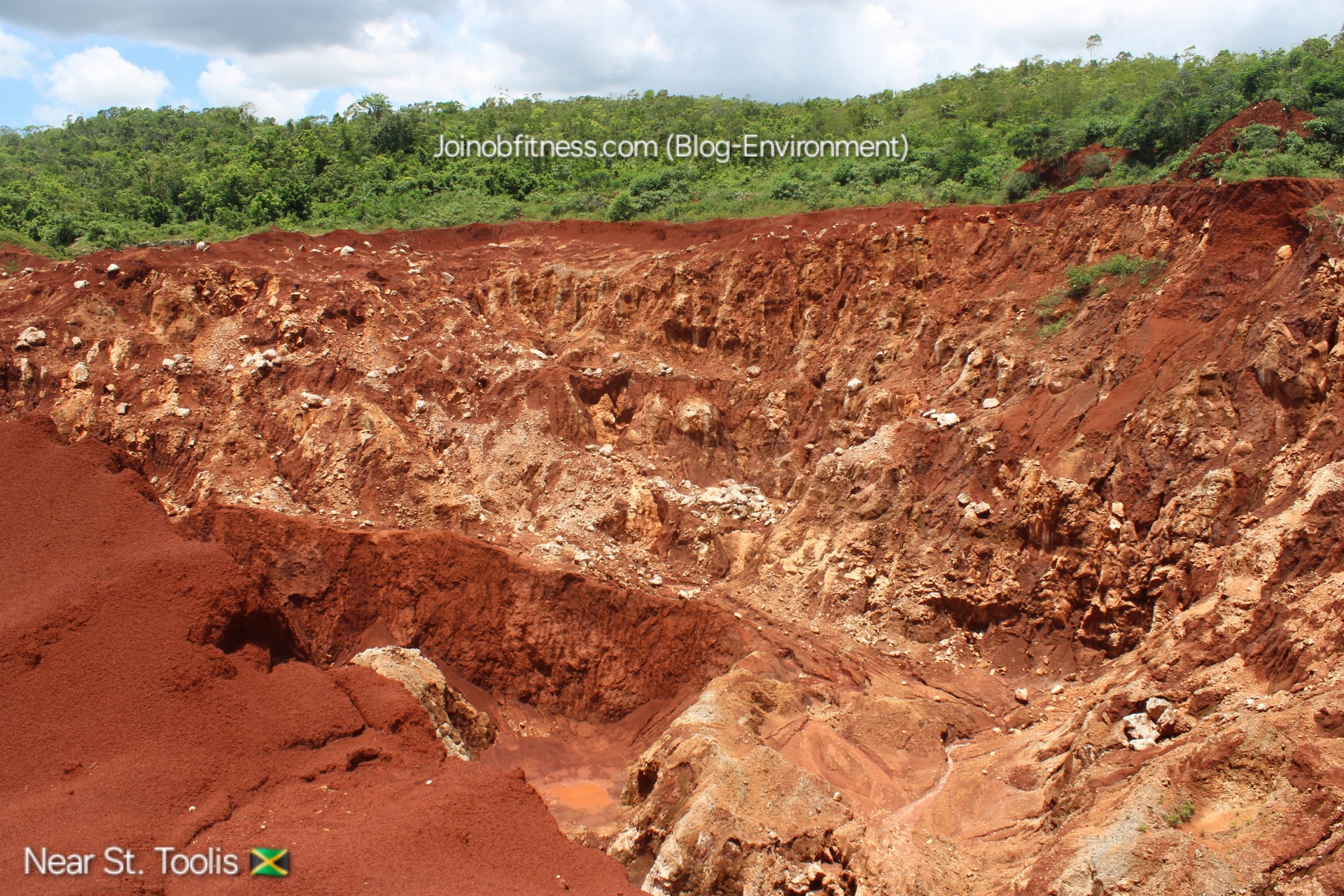
Later, during the Paleogene period (66 to 23 Ma), thick layers of volcanic conglomerates and shales known as the Wagwater Formation were deposited (Mitchell, 2018) . These are evidence of ancient rivers and explosive volcanic activity. Overlying parts of these older rocks are Eocene-aged limestones: chalky white and yellow sedimentary rocks that once formed in shallow tropical seas (Windsor Research Centre, n.d.) . Today, this geological diversity results in a rich and varied landscape shaped by the Cane River and its tributaries.
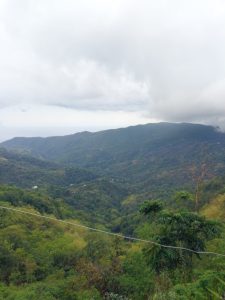
Volcaniclastic Rocks in Constitution Hill, St. Andrew JamaicaCarbonate Rock? Constitution Hill, JamaicaBird’s Eye View: Constitution Hill & Dallas, St. Andrew, Jamaica
Free Village Movement-Constitution Hill & Dallas Communities
This elevated terrain offered both refuge and opportunity for formerly enslaved Africans following the abolition of slavery in 1838. As sugar plantations declined in the lowlands, many Afro-Jamaicans sought independence by moving into the highlands. Constitution Hill emerged during this period as part of the “free village” movement, settlements established by emancipated people in the hills, often centered around farming, churches, and self-sufficiency (Smithsonian Institution Archives, n.d.) . The name “Constitution Hill” is symbolic, reflecting the aspirations of a newly freed people for political rights and social justice. Dallas, too, transitioned from its colonial estate roots to a small farming district.
The terrain & slopes are underlain by volcanic rock and fractured limestone made large-scale plantation agriculture difficult, which in turn preserved the area for smallholder farming and tight-knit rural communities. Crops such as coffee, bananas, and root vegetables flourished in the mineral-rich soils derived from volcanic and limestone sources (Legace, 2023) .
Constitution Hill and Dallas remain somewhat isolated but resilient. Their geological foundation has not only shaped their landscapes but also their histories, providing natural protection, resources, and a sense of place.
ReferencesAbbott, R. N. (2008, July 28). Geological Journal. Retrieved from Amphibolite andblueschist–greenschist facies metamorphism, Blue Mountain inlier, eastern Jamaica:https://onlinelibrary.wiley.com/doi/10.1002/gj.1126Legace, M. (2023, July 10). A Brief Adventure to Dallas Castle and the Enigmatic Waterfall.Retrieved fromhttps://www.naturessweetescapes.com/blog/2023/7/9/ougkojt4ftlygg6nxzly316p4z9wpsMitchell, S. (2018, October 23). Eocene basin development and sedimentation patterns in centraland western Jamaica. Retrieved from AAPG-Datapages Inc:https://www.searchanddiscovery.com/abstracts/html/2018/hedberg.90330/abstracts/2018Hedberg.Spain57.htmlSmithsonian Institution Archives. (n.d.). Journal of Richard E. Blackwelder, West Indies, vol. 1.Retrieved from Smithsonian Institution Archives:https://siarchives.si.edu/collections/fbr_item_modsi2381Windsor Research Centre. (n.d.). Retrieved from https://www.cockpitcountry.com/limestone.htm